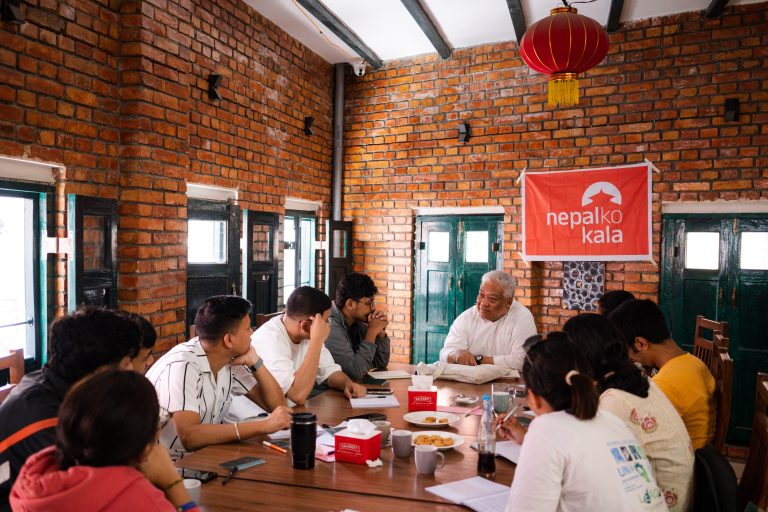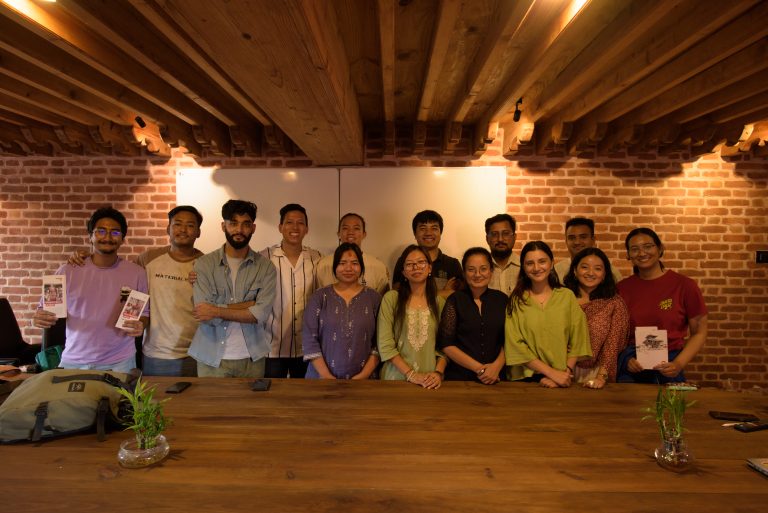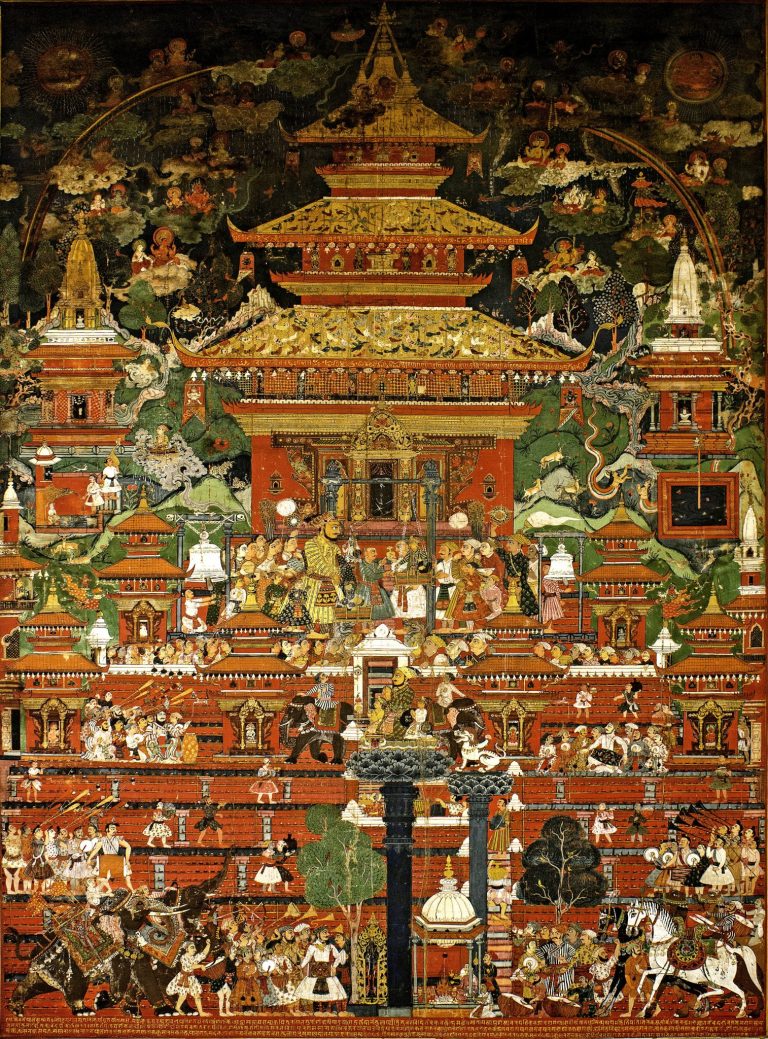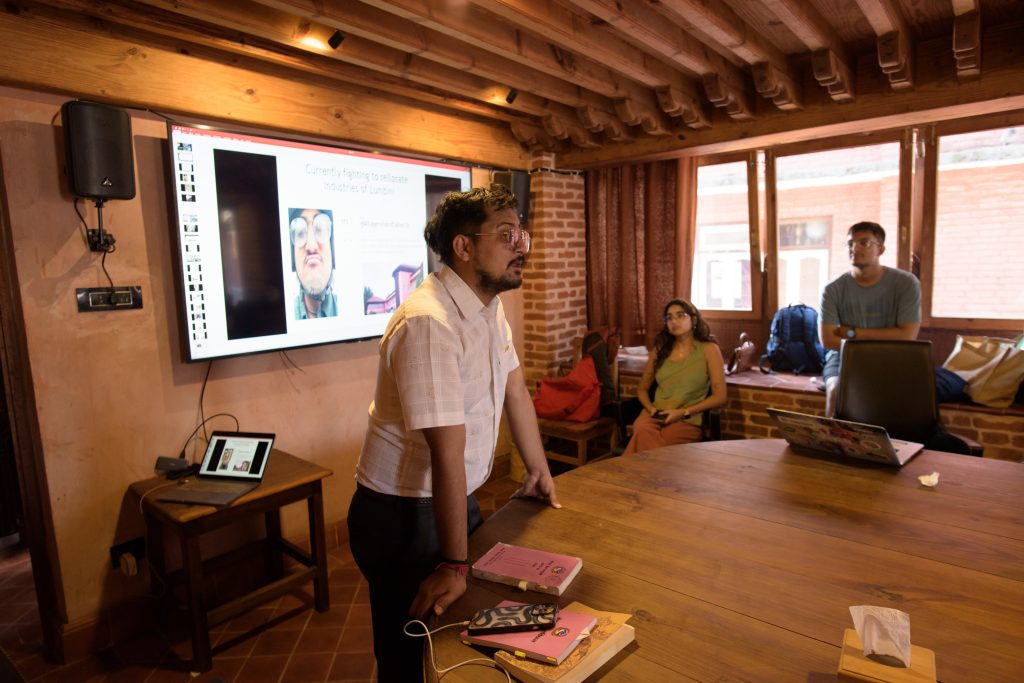
Walking through the ancient gallis of Kathmandu today offers a jarring visual reality that marks a painful transition from ancestral devotion to modern trauma. Where our shrines once stood as 24/7 open conduits to the divine, they are now characterized by the physical scarring of metal bars and heavy iron cages. This is the architecture of fear—a world where neighborhood patrols during the dark hours of loadshedding became the only line of defense against the “beheading” of our gods. These sacred spaces have been transformed into locked cells, and this transition from living heritage to a caged one is a symptom of a systemic wound. Yet, as the “Yuwa ra Sampada” workshop recently underscored, the bars are not just on the shrines; they are in our minds, reinforced by a widespread misunderstanding of the laws designed to protect our history. Reclaiming these spaces begins with a fundamental act of legal myth-busting led by advocates like Sanjay Adhikari, who remind us that our heritage is not a fossilized past but a living legal right.
There is a persistent fallacy that a monument must survive for a century before the state deigns to protect it, a “100-year rule” that often leaves modern masterpieces vulnerable to the wrecking ball. However, a close reading of the Ancient Monument Preservation Act reveals that Section 2, the mandatory definition section, is far more flexible than the bureaucratic imagination suggests. The law allows the inclusion of younger monuments based on their historical or architectural significance, meaning we do not have to wait a century to recognize what is built in our own lifetimes. Consider the Nepal Health Ministry building, one of only three Kaan-Architect structures in the entire world. Despite its relative youth, its global architectural standing makes it a monument that deserves immediate legal protection. For the youth, this is an invitation to wield the law as a modern toolkit; we have the legal standing to defend the heritage being recognized today, provided we understand that the law is a shield meant to be used, not a dusty volume to be ignored.
This defense requires “Precision in Language” to counter the semantic violence of modern bureaucracy. In what Adhikari calls the “Economy of Uniqueness,” we must recognize that for a site to be saved, its specific terminology must be protected. There is a profound distinction between Jal and Water that a purely utility-focused mind intentionally misses. While both may share a chemical compound, the law must recognize that Jal is inextricably tied to religiousness and sanctity. When we reduce sacred elements to mere “water” or utilities, we strip away the legal protections their uniqueness warrants. If the law fails to reflect the culture it serves, treating the manifestation of the divine as a mere commodity, the heritage itself begins to crumble. This reductionism is exactly what the black market relies upon—the conversion of the irreplaceable into the exchangeable.
The current legal landscape is riddled with a bitter irony regarding the consequences of heritage crime. While statutes technically allow for a maximum 15-year prison sentence for those who destroy ancient monuments, the judicial reality is often a mockery of justice that favors the wealthy looter over the local guardian.
The global black market operates on a grotesque mathematical imbalance. While a thief in Kathmandu is unchained for a 25,000 NPR ‘penny’ bail, western institutions like the MET or the Rubin Museum build multimillion-dollar legacies and ‘image-rehabilitation’ projects on the very artifacts that represent our stolen divinity. Thieves are frequently released on bail amounts that are negligible compared to the astronomical prices Nepalese artifacts command on the international market. This imbalance ensures that the profit of theft far outweighs the risk of the law, creating a revolving door for those who treat our gods as inventory for Western galleries.
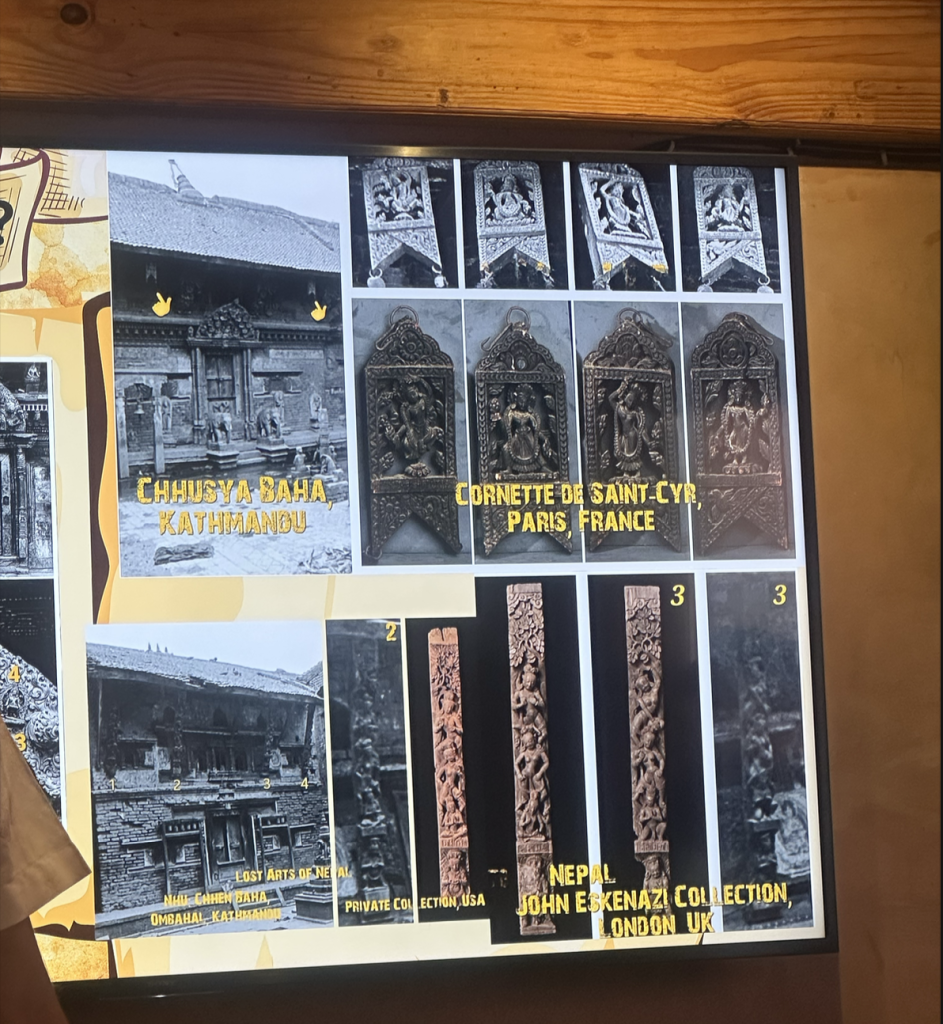

This burden of protection is not just a government failing; it is a constitutional mandate placed squarely on the shoulders of the citizen. Article 48 ‘D’ of the Constitution of Nepal (the Dhara that governs our duties) explicitly states that it is an individual’s responsibility to conserve heritage. It is not a suggestion; it is a duty. Yet when we attempt to bring our “gods” home, we encounter what might be called the repatriation trap of Dafa 20 ‘Ka’. This legal roadmap for returning artifacts — whether paintings returned to Itum Bahal or idols from Dolpa — requires that each item be handed to the Chief District Officer (CDO) and formally accepted by the community under a written guarantee. This “burden of care” creates a legal Catch-22: the state demands a higher level of security from communities while refusing to provide the resources needed to maintain it. If an artifact like the unique Dashey maru jhyal is stolen again, the community guarantor is held legally responsible. The result is a perverse fear: communities grow hesitant to accept their own gods back, terrified of a legal liability they cannot afford to bear.
This domestic struggle is mirrored by an uncomfortable international narrative of “scholarly” looting and historical irony. Figures celebrated as heritage experts have occupied a blurred space between authority and enablement, having been intimately involved with artifacts that were simultaneously being siphoned out of Nepal.
The MET Museum continues to hold the necklace of Taleju Bhawani, despite an inscription by King Pratap Malla that leaves no doubt as to its origin. They cite a lack of “evidence” and “legal documents” while ignoring the divine provenance written in gold. Similarly, the Rubin Museum’s “living museum” projects are often seen as an attempt to rehabilitate an image built on the expertise of figures tied to the era of rampant theft. To Western museums, these are masterpieces of Himalayan art; to Nepali devotees, they are the stolen manifestations of the divine and the culmination of their ancestors’ wishes.
The systemic failure of this process is most visible at our own borders, where a lack of expertise allows our history to be exported in plain sight. The Curio Department at the airport’s Archaeology Department is meant to be a checkpoint, yet without specialized knowledge, genuine centuries-old artifacts are smuggled out as modern souvenirs. This is where precision becomes a matter of national security; an inspector who cannot distinguish between a modern casting and a 500-year-old deity—or who fails to understand the difference between a Dafa (Section of an Act) and a Dhara (Article of the Constitution)—is the weak link in our defense. This is particularly tragic for family deities kept in private shrines. Because they often lack an academic record or a “paper trail,” they become “stateless” once they leave their homes, making it nearly impossible to reclaim under international law because they officially “do not exist” on paper until they appear in a Christie’s catalog.
As we look at the beheaded 12th-century Saraswati statue from Pharping, or at the “slow ending” of the Guthi system that once funded our traditions, we must decide whether we are spectators or stakeholders. Legal activism has already proven its worth, from the Dafa 16 ‘Ka’ shield used to push 17 cement factories back from Lumbini, to the community fight for Rani Pokhari and the first FIR ever filed for a World Heritage crime. We are at a crossroads where we must choose to lead the movement for “Legislating the Living.” The legal system provides the shield, but it requires a generation of guardians to wield it effectively against “ambiguous bikas” and industrial encroachment. Heritage is a living entity, and its survival depends on a youth that refuses to let the law remain a collection of dusty, unused statutes.
The future of Nepal’s past now rests with the activism of its youngest guardians, who are beginning to bridge the gap between ancient sanctity and modern litigation.
This personal reflection is composed by Deepa Amatya, a participant of the Yuwa ra Sampada Workshop 2025.