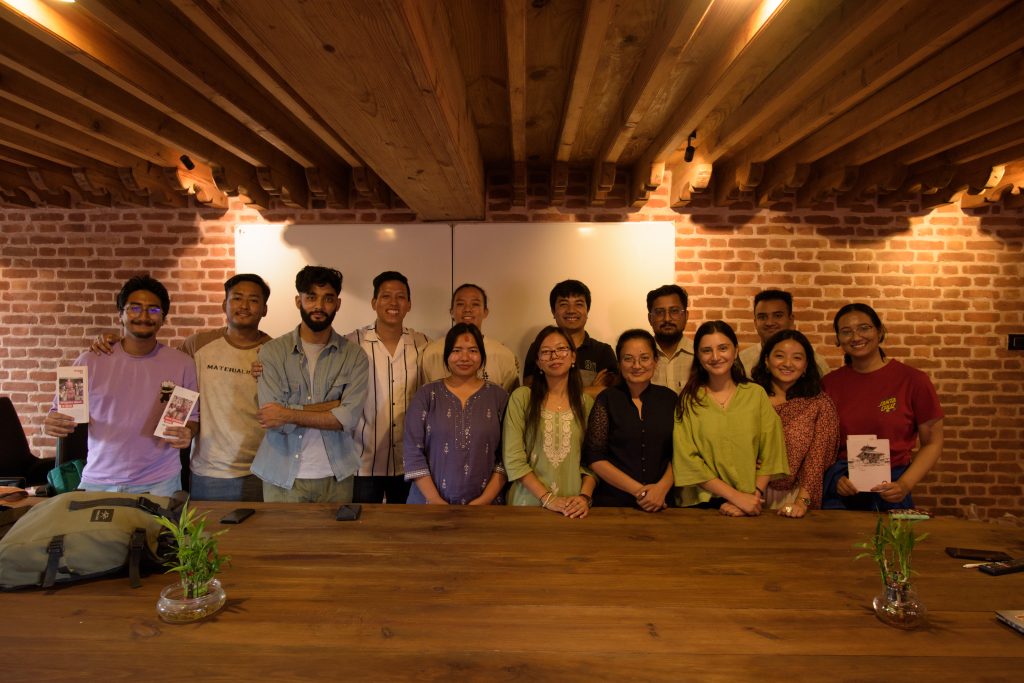
By the time the six-session Yuwa Ra Sampada workshop series came to an end, I realized that my understanding of heritage had quietly but profoundly transformed. What began as a learning journey gradually evolved into a process of unlearning assumptions, questioning responsibilities, and rediscovering heritage not just as monuments or traditions, but as lived experiences shaped by people, emotion, and everyday choices.
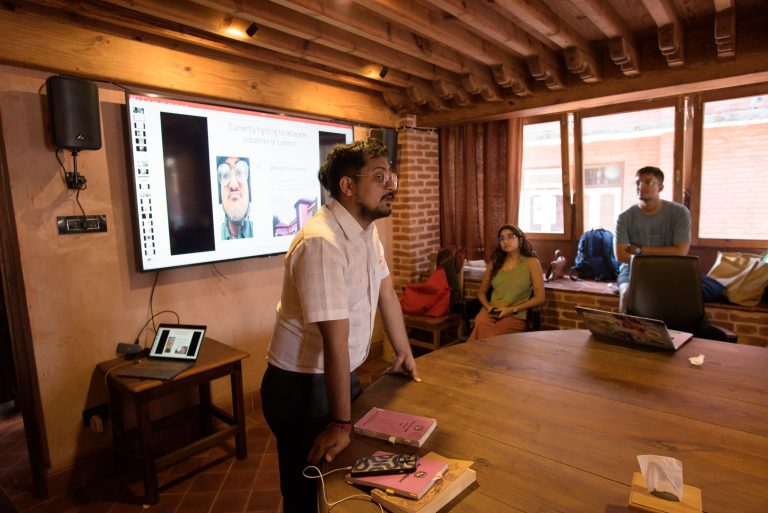
Although I unfortunately missed the first session led by Saurav Thapa Shrestha, the remaining sessions offered a deeply layered exploration of heritage—its meanings, challenges, and relevance in contemporary society. Each session built upon the previous one, encouraging reflection not only on heritage as a subject of study but also on our personal roles within it.
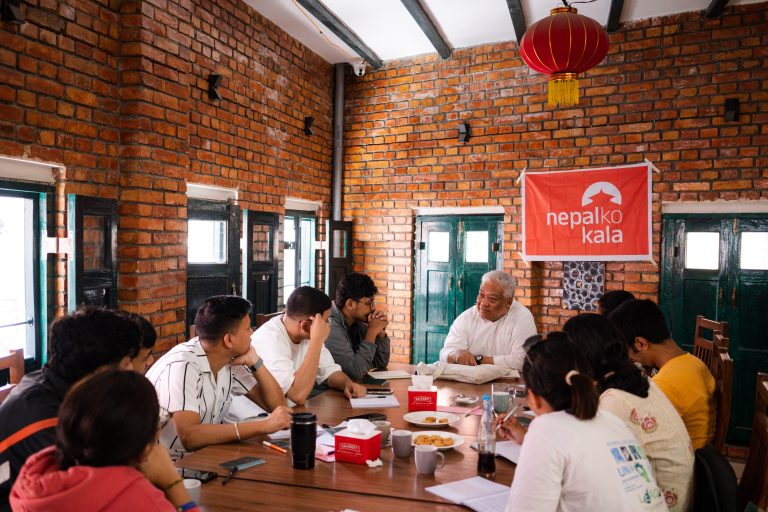
One of the most striking learnings came from a session led by Mr. Anil Chitrakar, who challenged a common and often unquestioned belief: that the responsibility of heritage lies only with local communities, government bodies, or heritage-related organizations. He emphasized that stakeholders of heritage extend far beyond these groups. People who live and work in heritage areas—even if they are not originally from those places—also become stakeholders by virtue of their presence and participation. Migrants, renters, business owners, and long-term residents all shape heritage spaces through their daily actions. This insight reframed heritage for me as a shared civic responsibility rather than a duty assigned only to those with historical or institutional authority.
Another powerful takeaway came from Ms. Binita, whose session focused on restoration and conservation. She reminded us that while restoration is often driven by funding, timelines, and technical expertise, authenticity must never be compromised. She strongly emphasized that restoration projects should prioritize local communities over external or foreign companies. Locals carry emotional attachment, cultural memory, and lived knowledge that cannot be replicated through technical skill alone. For them, heritage is not merely something to be preserved—it is identity, memory, and emotion. This perspective made it clear that conservation is not just about saving structures, but about respecting the soul of heritage and the people connected to it.
Across the sessions, discussions on legal frameworks, community engagement, contemporary challenges, and youth participation reinforced the idea that heritage is dynamic rather than static. I began to see how easily heritage can be reduced to aesthetics or tourism value if emotion, authenticity, and community ownership are overlooked. The workshops consistently encouraged us to think critically—not only about what heritage is, but about who speaks for it and who benefits from it.
As part of giving back and sharing what we had learned, my group conducted two interactive heritage sessions in two different schools—Rai School and Nepal Adarsha School. Standing in front of Class 5 students and translating complex ideas into simple, relatable discussions was both challenging and rewarding. What surprised me most was the depth of curiosity and sensitivity these young students showed. Even with limited prior exposure, they were able to grasp ideas of identity, responsibility, and preservation when engaged through conversation and interaction rather than instruction alone.
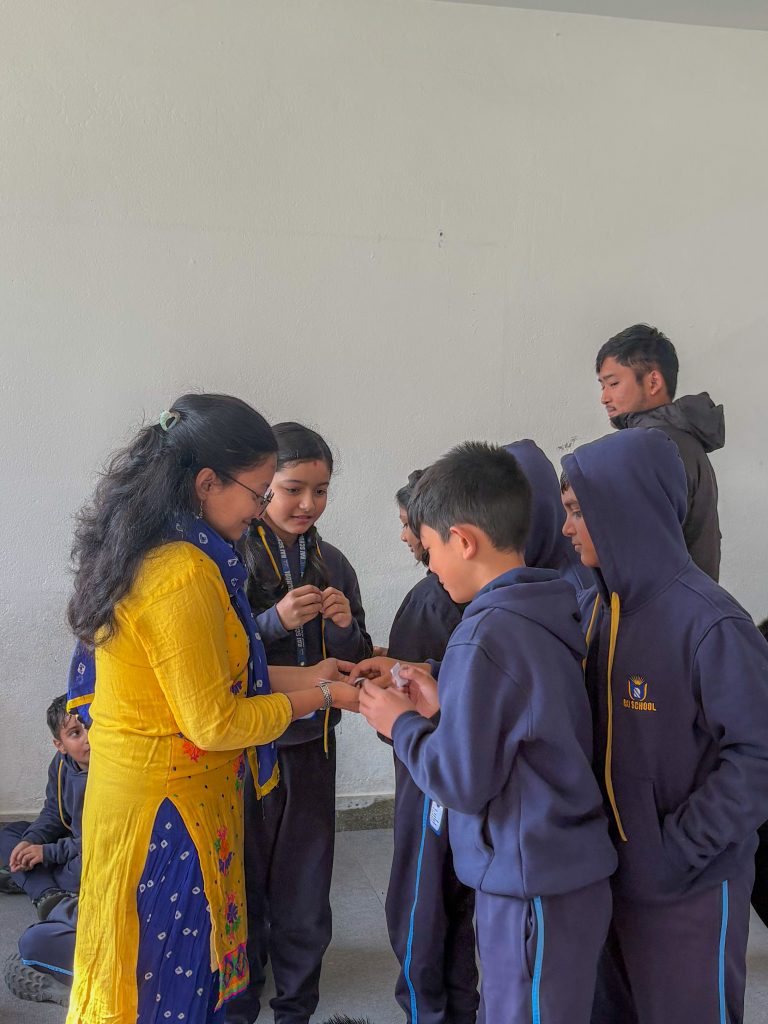
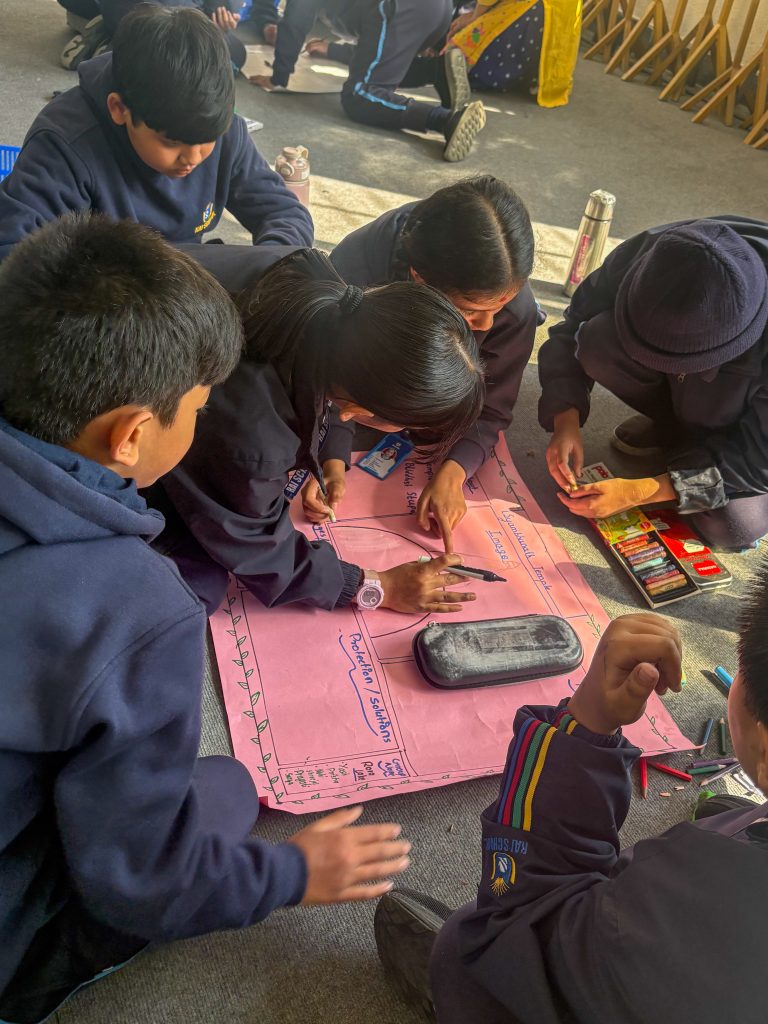
Facilitating these school sessions made one thing clear: teaching is one of the most powerful forms of learning. The act of sharing knowledge forced me to reflect more deeply on my own understanding. It also reinforced the importance of introducing heritage education at an early age. Children between the ages of 10 and 12 are not only capable of understanding heritage—they are receptive, empathetic, and willing to care when given the opportunity.
Additionally, co-creating a digital handle with my fellow participants, we were able to document our small-scale projects, making it even more meaningful. Through the @heritageexplorers.np page, we shared our process and passion, reflecting on all our learnings and growth.
Looking back at the six-session journey, I see it as more than a workshop series. It was a process that reshaped how I view heritage, responsibility, and my own role as a young individual. Heritage, I learned, is not preserved only through policies or projects—it survives through everyday awareness, shared responsibility, and emotional connection. And perhaps most importantly, it begins with learning, listening, and passing that understanding forward.
This personal blog is composed by Ashmi Shrestha, participant of the Yuwa Ra Sampada workshop 2025.